
Lake Shore emergency department open, uses new system for admission
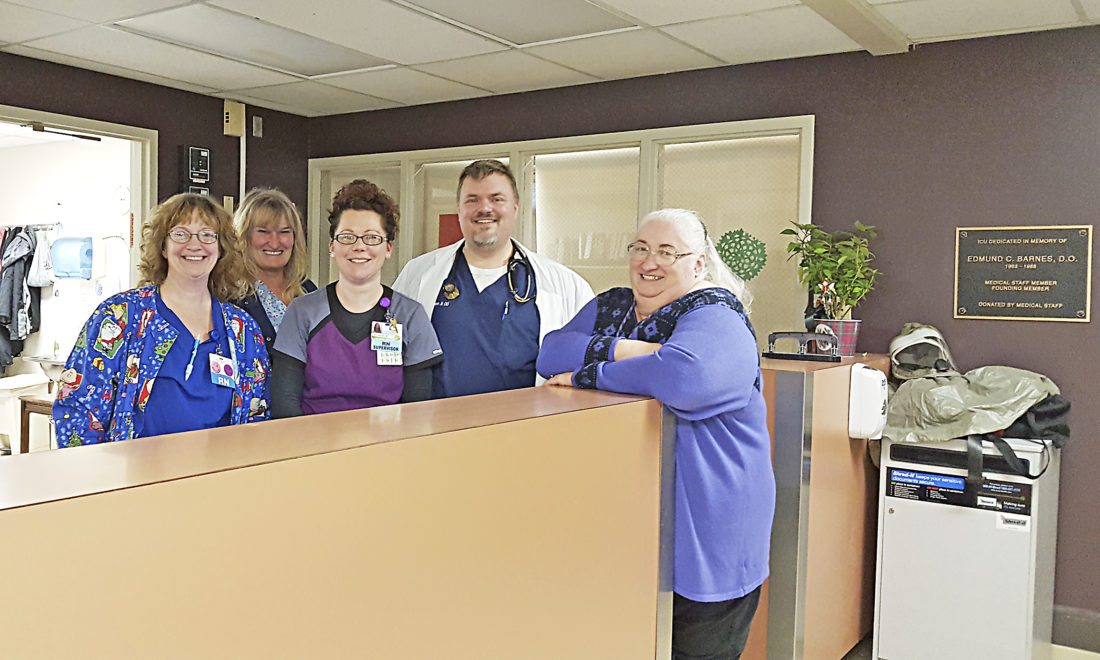
OBSERVER Photo by Nicole Gugino TLC’s Lake Shore Health care Center is undergoing changes, but is still open for business.
Numbers are down at TLC’s Lake Shore Healthcare Center emergency department, but it can be chalked up to rumor rather than changes being made at the facility.
The hospital has made many changes in its operations over the last four years to navigate its way out of Chapter 11 bankruptcy. Now on the cusp of doing so, the hospital plans to partner with Brooks Memorial Hospital in Dunkirk and Kaleida in Buffalo. Part of that partnership is a transition to becoming an ambulatory/outpatient facility.
Hospital officials report some confusion with the plan to eliminate inpatient beds and replace them with five to 10 observation beds.
Susan Grubbs, RN, and Dr. Robert Zewe, hospitalist, sat down with the OBSERVER to explain the difference and the effect on patients.
OBSERVATION BEDS ARE A FAMILIAR MODEL
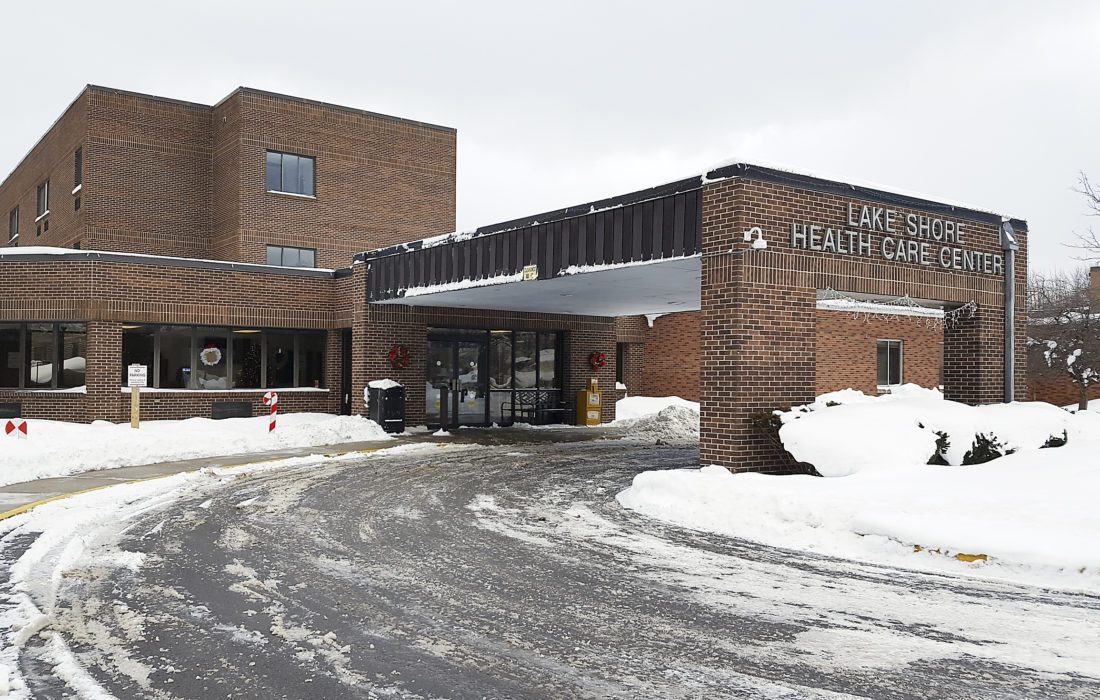
OBSERVER Photo by Nicole Gugino TLC’s Lake Shore Health care Center is undergoing changes, but is still open for business.
Zewe, who has been a hospitalist for around a decade, but only at TLC for eight months, compared Lake Shore’s new model to that of Westfield Memorial Hospital.
“An observation patient is essentially a patient who is too sick to go home, but not sick enough to stay in the hospital for three days,” he explained.
Despite the change in the type of beds, Zewe and Grubbs reported the ED is as fully functional as it always has been. Despite this rumors circulating in the community have cased fewer people to come through the doors.
“Now with us not doing inpatient, the traffic has seemed to have decreased over the last couple weeks, quite frankly. At different times we’ve seen 30, 40, 50 patients a day and two weekends ago they were seeing 18 patients Friday, Saturday and Sunday. So that was a major drop off from what we’re used to,” he said.
Lake Shore went from having 14 to 15 inpatient beds with two nurses and an aide to five to 10 observation private beds with one nurse and an aide, based on the average population of five to six the hospital has had in the past. The nursing supervisor on the medical floor also helps out on the observation ward as well as the ER, med/surg, chemical dependency and behavioral.
WHO GETS
TRANSFERRED
AND WHERE
Grubbs, a registered nurse with TLC for 17 years, explained based on the severity of condition a patient comes in with and the intensity of the treatment required, the decision is made whether to keep a patient in observation or transport them by ambulance or helicopter to Brooks or another nearby hospital.
“Because Brooks is our sister facility we do try to send who we can over there as much as possible, again, according to patient preference,” Grubbs said,.
Zewe explained conditions like fainting, chest pain, dehydration, bone fractures, drug overdoses, concussions, infections and many other issues are diagnosed and treated in the 48-hour window designated for an observation bed. However, conditions like full-blown pneumonia, severe COPD or a heart attack would be transferred to a hospital that can meet the needs of that patient, such as Brooks.
“We have to decide what is the best setting for the patient based on their symptoms. So patients right now, each time they come into the ER, they are being looked at by myself and the hospitalist to make sure we are giving them the proper care and sending them to the appropriate location. … Our goal is not to stretch our staff too thin, so appropriate patient care cannot be delivered. That’s very important to us: to give a high-level of individualized care to our patients. That’s why we’ve maintained a four-star rating. We take a lot of pride in making sure that we give really good care and patients are satisfied with the care,” Grubbs added.
-

- OBSERVER Photo by Nicole Gugino TLC’s Lake Shore Health care Center is undergoing changes, but is still open for business.
-

- OBSERVER Photo by Nicole Gugino TLC’s Lake Shore Health care Center is undergoing changes, but is still open for business.
Grubbs explained one difference is in the money. Medicare covers inpatient and observation stays in a hospital differently for patients, under Part A and B respectively. In addition, elderly patients need to be aware that at least three days need to be spent in inpatient to be eligible to go to rehab.
“One of the reasons older people may be concerned with observation is it is reimbursed differently and their out of pocket (copay) may be higher,” she explained, noting everything depends on the plans, which the hospital has no control over.
Determining whether to keep a patient in observation or transfer them to a facility with a higher level of care is important for a patient’s health, their cost in insurance, but also for the hospital’s bottom line.
“If you don’t meet those criteria, you don’t get paid. For small rural facilities like us and Brooks, that can be a real killer. If you’re taking a lot of admissions and not placing them at the appropriate level and doing the appropriate care, you’re not going to get paid and can even be fined for not doing things correctly. So then it’s like a double whammy and none of us can afford to give away free care. We have to be very savvy fiscally about what we’re doing. It all boils down to giving good patient care, yes, but we have to do that with care for each case that we are doing things appropriately and getting reimbursed on the bottom line for the care that we give,” Grubbs explained.
Zewe added all patient decisions are made by a team, one which welcomes all to the hospital in their time of need.
TOP STORIES

Silver Creek hires new math teacher

Reservoir backers spray back at critics

Hochul vetoes toll-free Thruway use for emergency vehicles

Boys & Girls Club holds annual Christmas party

Hornburg commended for time as Silver Creek mayor
Legislator pushes for job training
A Chautauqua County lawmaker is expressing concern that the county may not be investing enough money in job ...